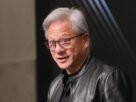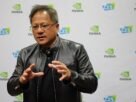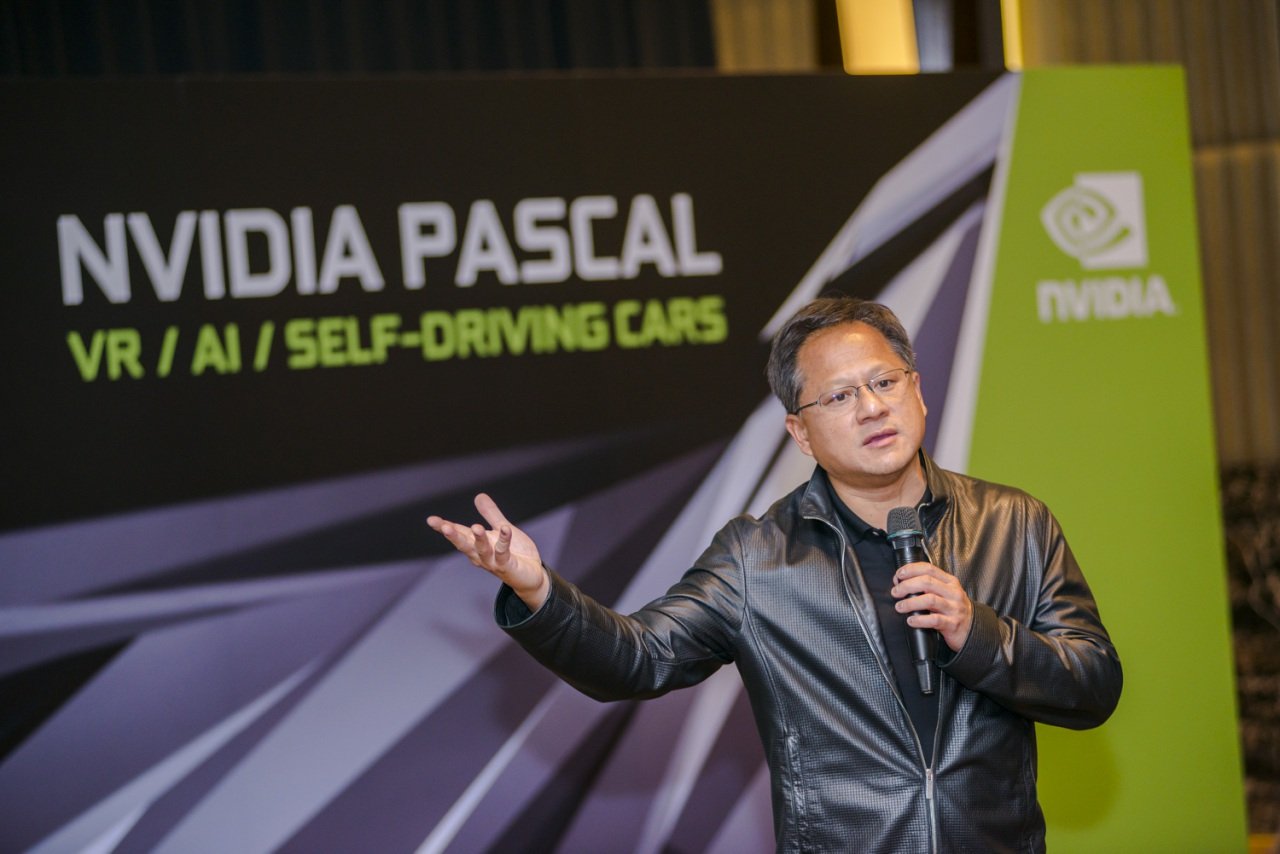
Nvidia's board of directors has launched an independent investigation into CEO Jensen Huang after he admitted to having a relationship with Alice Huang, an alleged Chinese operative. The company's board expressed confidence in Huang's leadership and stated it has no reason to believe that company secrets or national security were compromised. The investigation follows reports that Megaspeed, a former employer of Alice Huang, was under investigation for steering advanced chips to China.
Analysts warn that the situation highlights a significant "key man risk" for the semiconductor giant. Because Huang cofounded the company and maintains a flat organizational structure with more than 60 direct reports, experts suggest the firm lacks a clear successor. "It's very hard to envision Nvidia run by anybody else," Dan Gallagher, an analyst with Washington Post Intelligence, told Axios.
The potential leadership crisis extends beyond Nvidia's internal operations to the broader AI economy. Nvidia currently functions as a central pillar for the industry, holding more than $530 billion in commitments and guarantees to various suppliers, cloud computing firms, and data center operators. The company's market capitalization of $4.5 trillion accounts for approximately 7% of the S&P 500 index.
Industry experts noted that a leadership transition could impact the stability of the entire AI ecosystem. Huang has historically acted as a market stabilizer, providing financial backstops to companies like CoreWeave and OpenAI and advocating for national AI projects during tours of Europe. While major players like Anthropic and OpenAI are working to diversify their hardware sources, "neocloud" companies that rely heavily on Nvidia's capital and credibility may face greater volatility.
Political implications also loom over the investigation. Analysts at Bernstein wrote that headlines regarding the CEO being "honeypotted" by China could provide political ammunition to lawmakers seeking to further curtail trade with the country. While Nvidia has previously advocated for the ability to sell chips to China, the investigation may bring renewed scrutiny to Huang's previous policy stances and arguments regarding open AI models.