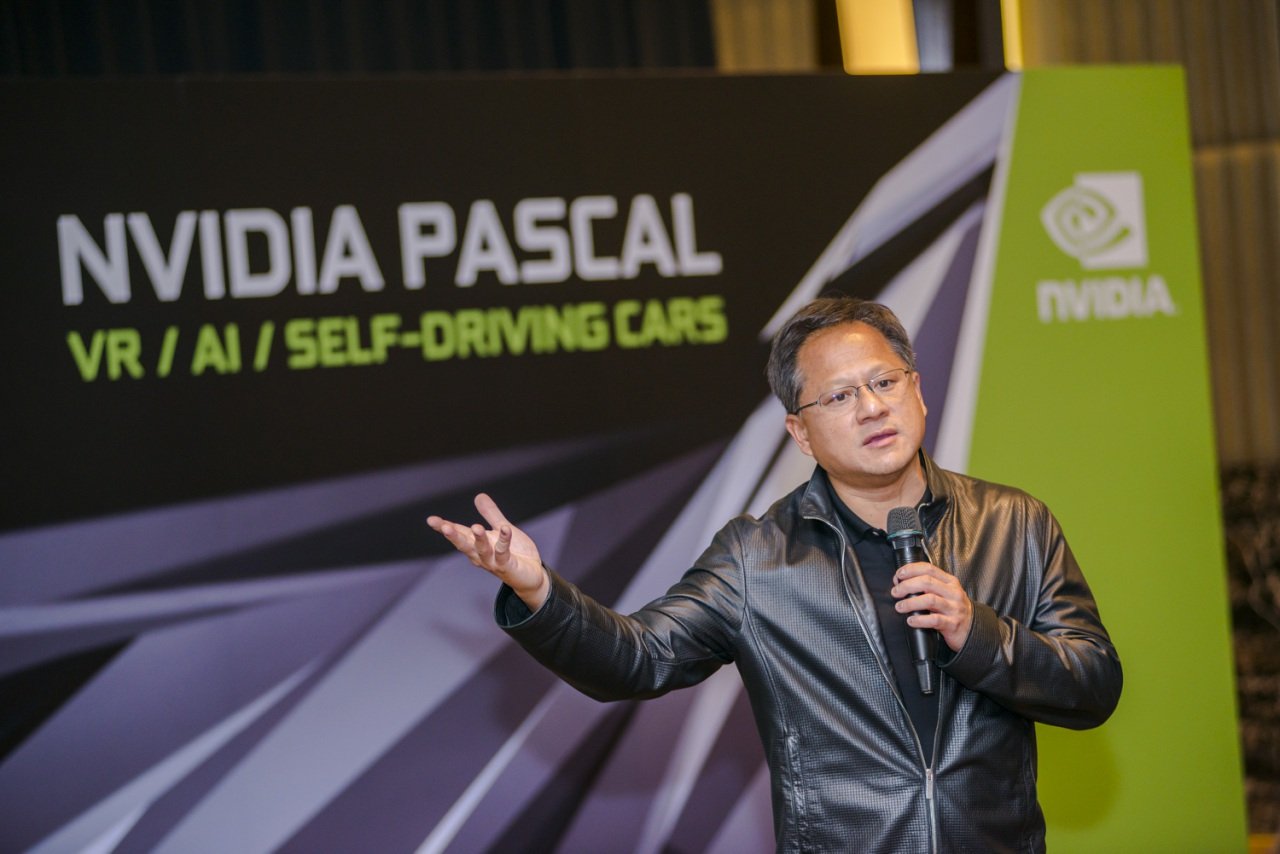
The potential resignation of Nvidia CEO Jensen Huang has sparked concern and speculation within Israel's technology sector. Huang has maintained a significant presence in the country, notably through the $6.9 billion acquisition of Mellanox in 2019, which established Nvidia's largest R&D facility outside the United States. The company currently employs 6,000 local workers and has previously planned a multibillion-dollar campus in northern Israel.
Industry observers are closely watching Nvidia's succession plans to determine if the company will maintain its commitment to Israeli R&D. While interim CEO Colette Kress previously noted that her workday often began with meetings in Israel, the long-term leadership remains uncertain. Potential candidates for the top role include Apple's Johny Srouji and Nvidia's Michael Kagan, though no official list has been finalized.
Investors suggest that a change in leadership could impact Nvidia's market dominance. Yanai Oron, a general partner at Vertex Ventures Israel, noted that while slower decision-making at Nvidia might provide openings for competitors, any broader uncertainty that slows global AI spending could result in a smaller overall market for all players.
While Nvidia's technological ecosystem is expected to remain intact, some venture capitalists believe the company may lose its monopoly-like grip on the industry. Adi Levanon, a founder and managing partner at Selah Ventures, argued that "[Huang’s] departure doesn’t dismantle Nvidia’s technology or ecosystem, but it could give competitors more room to shape what comes next."
This potential shift comes as global interest and venture capital flow into developers of AI-specific chips and inference software. These companies aim to compete directly with Nvidia's hardware. However, Levanon added that these challengers must still prove that their specific approaches offer better economics to win over customers.