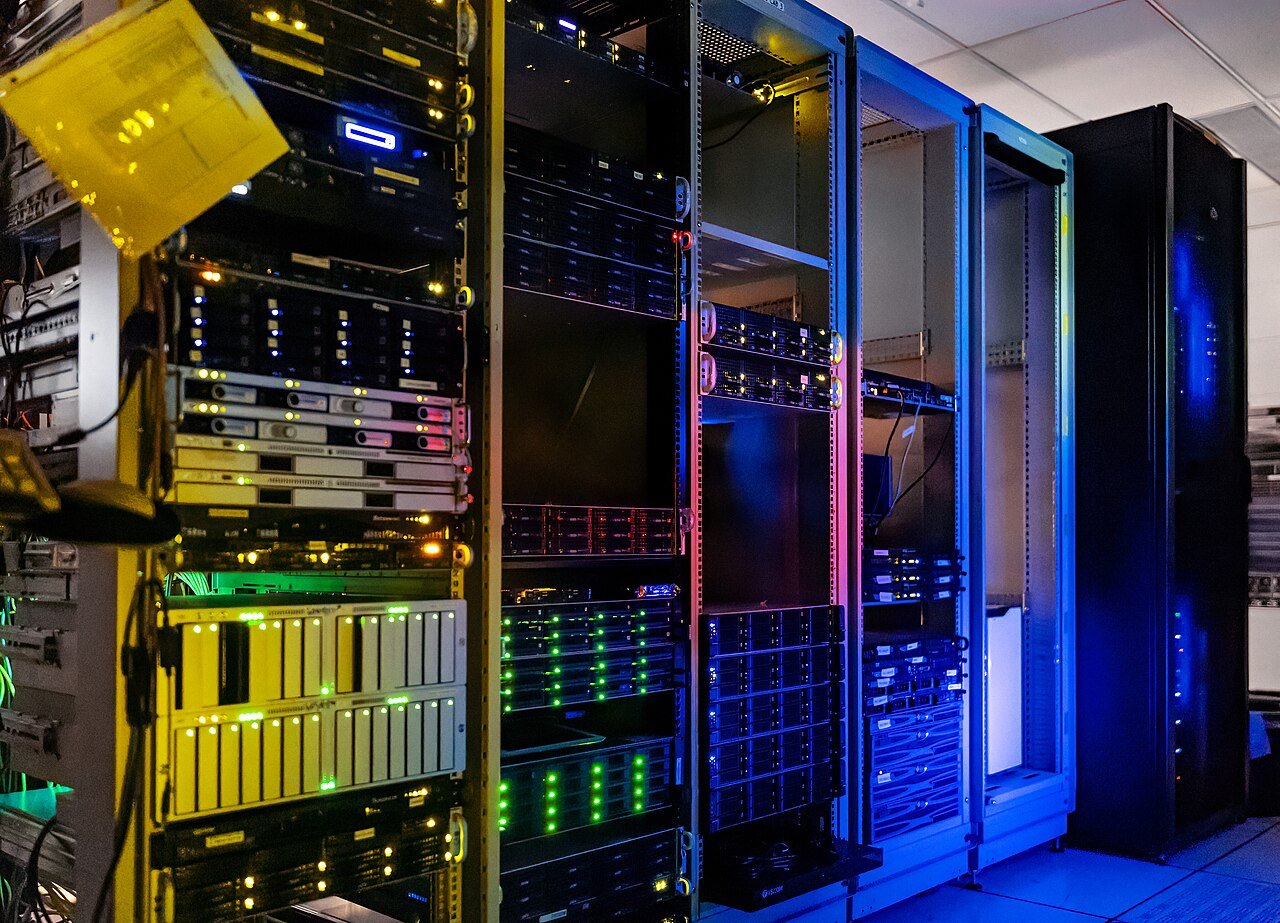
China's Ministry of Commerce stated the nation "will take countermeasures to firmly safeguard national sovereignty, security, and development interests" following new U.S. export regulations. The Trump administration has extended controls on high-end AI accelerator chips, including Nvidia's Blackwell lineup, to include large-scale rental services. The updated regulations now require licenses for renting these chips to any nation on the U.S. D:5 list, which includes countries embargoed from arms sales.
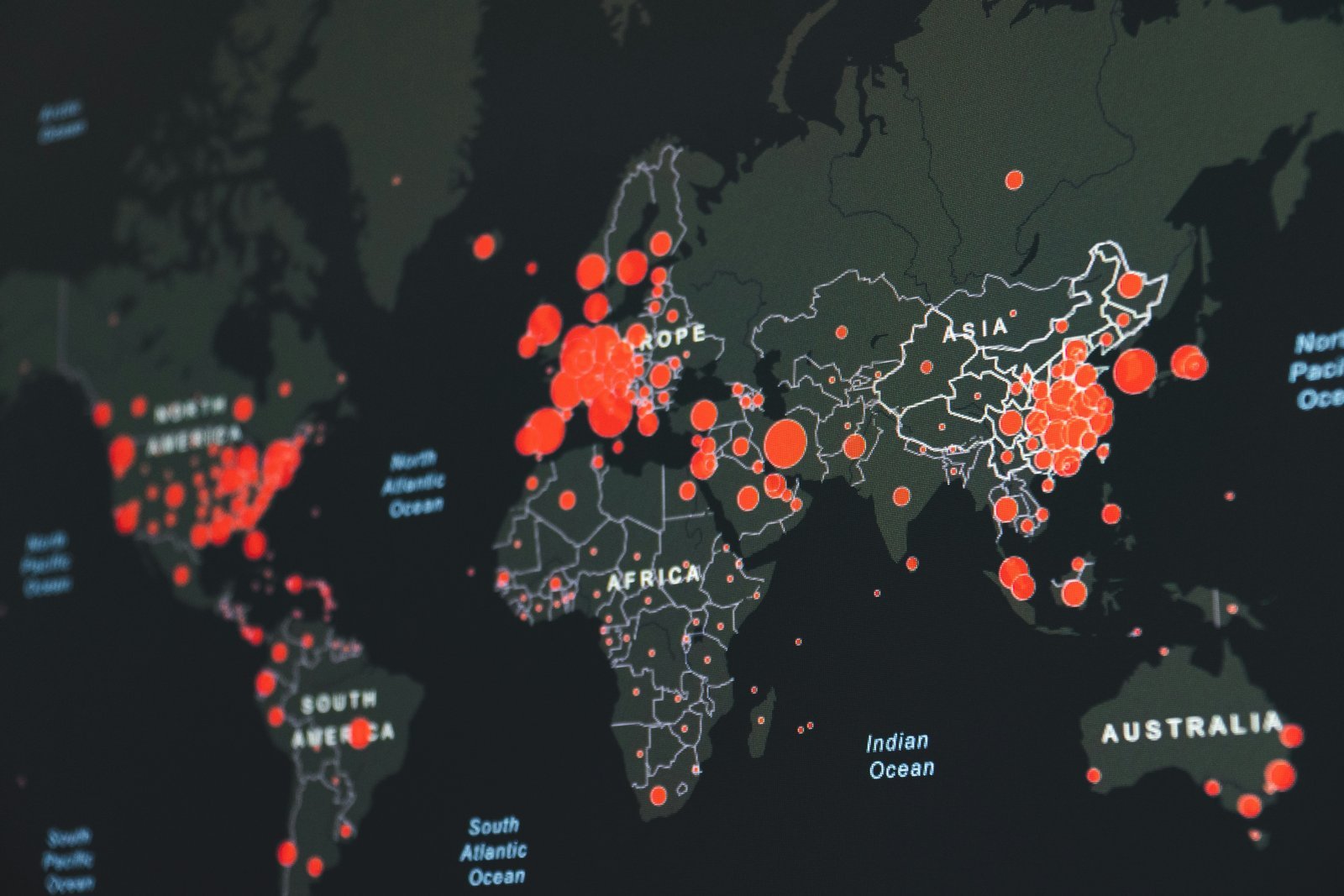
The regulatory shift aims to close loopholes that allowed Chinese firms to bypass chip sale restrictions by renting hardware instead of purchasing it. The U.S. Department of Commerce also expanded oversight to include Indonesia, Malaysia, Singapore, Thailand, and Brazil, citing suspicions that companies in those nations import Blackwell cards for resale to China. In response to these measures, Malaysia and Singapore have increased scrutiny of AI hardware shipments.
The escalation occurs as President Trump visits China for the APEC summit in Shenzhen, ahead of a scheduled meeting with President Xi Jinping on Nov. 19. While a trade truce was established in Oct. 2025, certain restrictions remain, such as the 50% tariff on Chinese semiconductor imports to the United States.
Potential Chinese retaliation could target critical raw materials. While previous restrictions on gallium, germanium, and antimony were shelved under the truce until Nov. 2027, analysts suggest Beijing may choose not to renew such agreements. Other critical materials subject to upcoming expiration dates include super-hard materials and high-density lithium batteries, which are essential for electric vehicles and solar power storage.
Nvidia has already adjusted its operations in the region, cutting off approximately half of its Asian buyers last July. The company informed data center operators that over 50% of their business must originate from non-Chinese companies. Meanwhile, Chinese firms continue to invest heavily in domestic chip production, specifically through companies like Huawei.