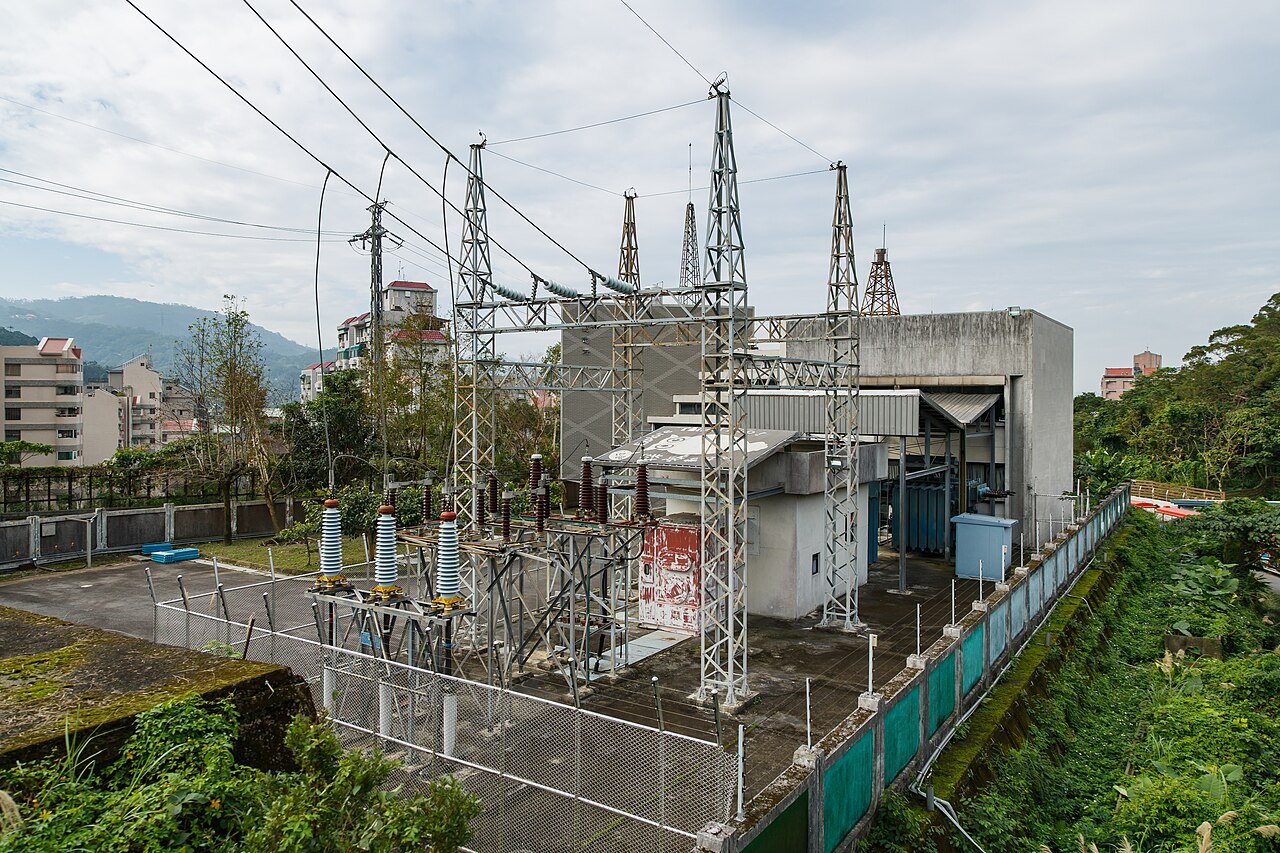
Data center developers are increasingly opting to build their own natural gas power plants to bypass decade-long waits for electric grid connections, according to market intelligence from Cleanview. As the AI boom accelerates demand for electricity, developers are paying premiums to build "behind-the-meter" facilities that supply power directly to buildings rather than relying on local utilities.
As of October 2026, developers have announced plans for more than 100 such plants in the United States, representing a combined planned capacity of over 115 gigawatts. This capacity is more than double the peak power demand of California. While only a small fraction of these projects are currently operating or under construction, the majority of these announcements have occurred since the beginning of 2025.
Musfika Mishi, an associate at BloombergNEF, said, "The biggest motivator for on-site power right now from data centers is speed."
Connecting to the electric grid requires a yearslong process where planners study the existing infrastructure to determine if upgrades, such as new transmission lines or transformers, are necessary. To avoid these delays, some companies are building off-grid plants. While some facilities may use these plants as temporary measures to bridge a five-to-seven-year gap until a grid connection is secured, experts warn of long-term consequences.
"Even though data centers say that it’s a grid-bridging solution, the probability that it is going to be in use much longer is a real risk, and that leads to fossil fuel lock-in," Mishi said.
This shift could significantly impact greenhouse gas emissions. A BloombergNEF report found that if all planned behind-the-meter gas plants for U.S. data centers are completed, they could emit 345 million metric tons of carbon dioxide equivalent annually by 2035. This figure is 152 million metric tons higher than the emissions produced if those same data centers drew power from the existing U.S. grid.
Beyond environmental concerns, the surge in demand for natural gas could increase prices for the approximately 60% of American households that rely on the fuel for heating and cooking. Currently, 4.9 gigawatts of behind-the-meter gas projects tied to data centers are operating, with 15.8 gigawatts under construction.