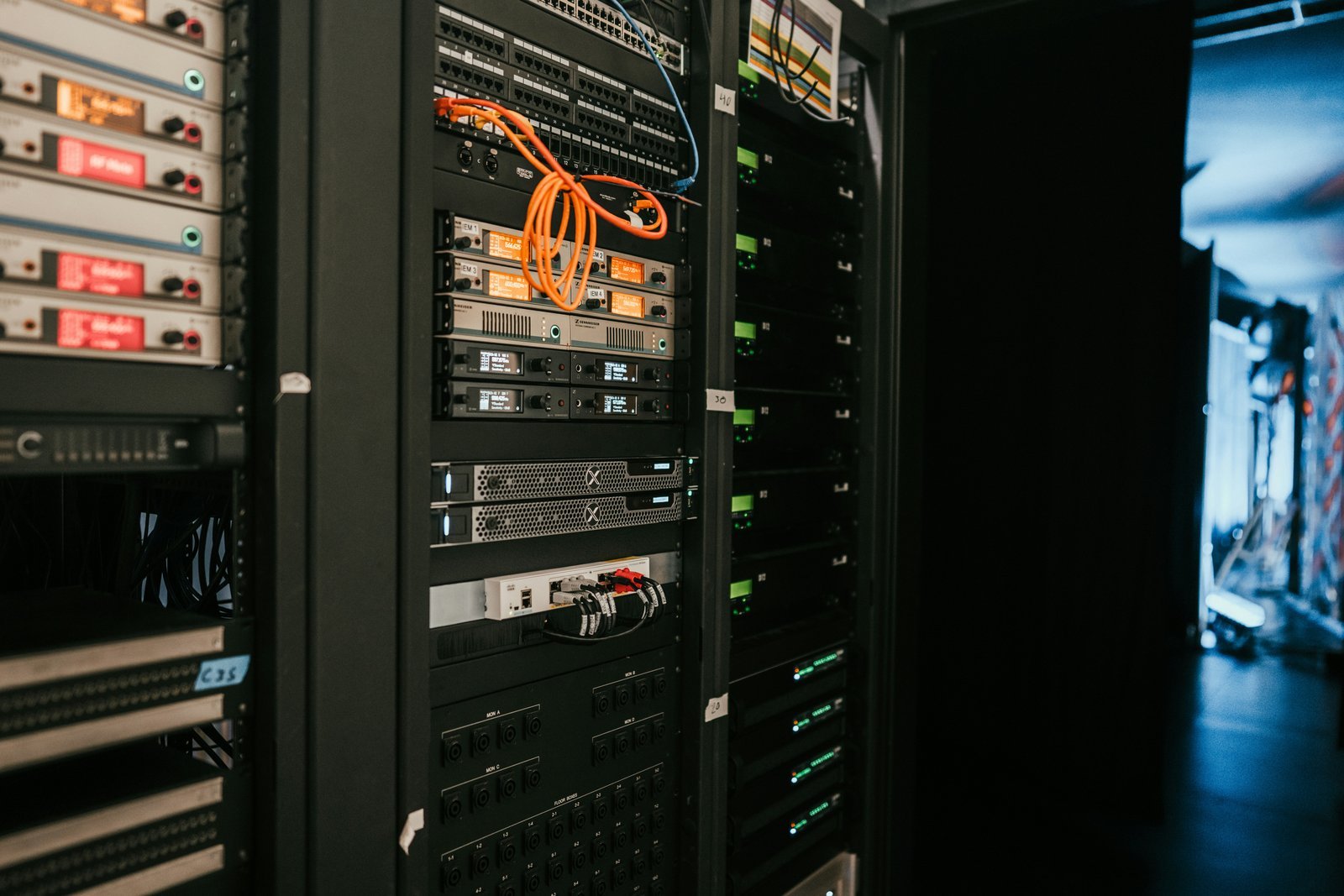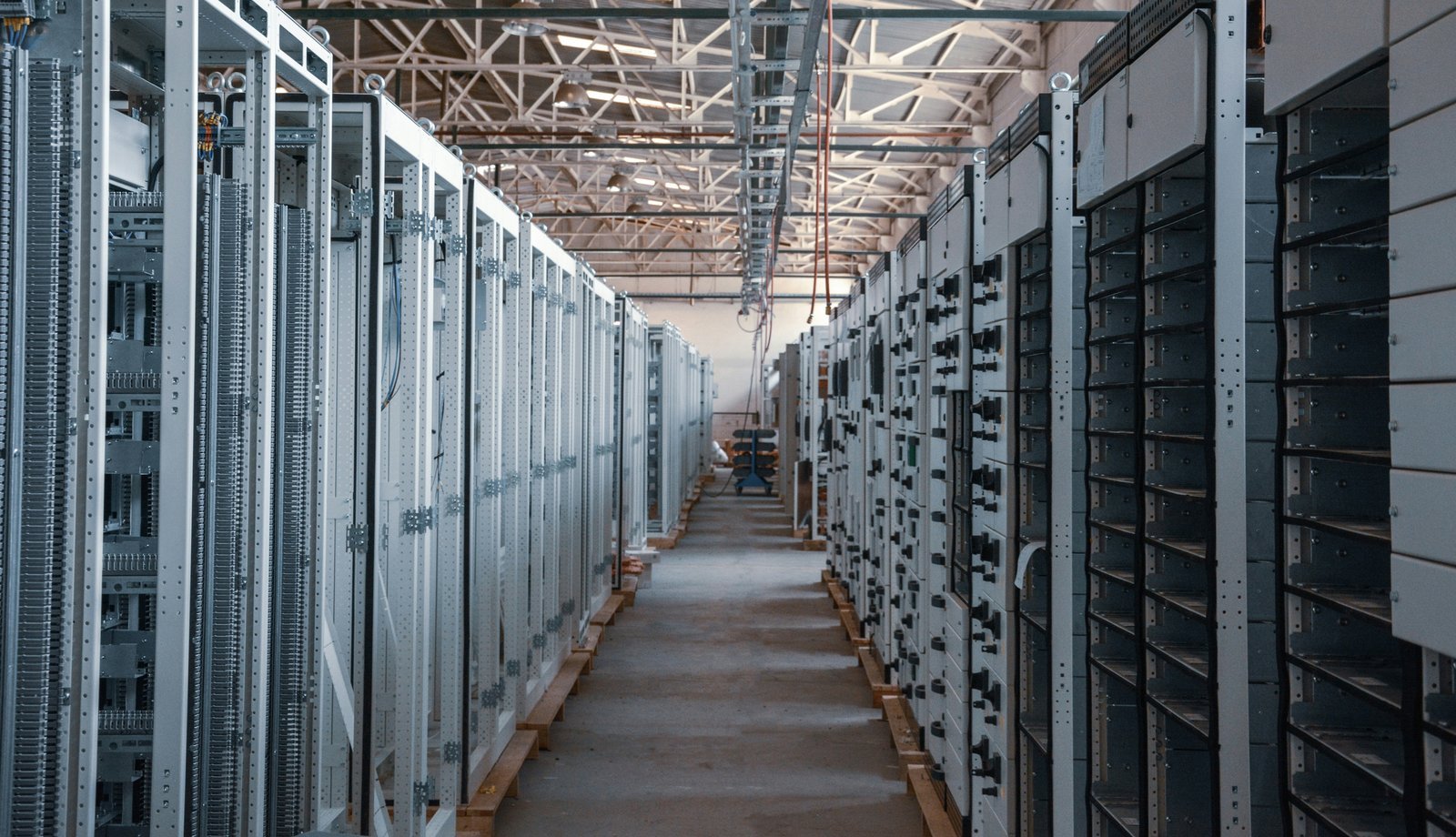
Early results from U.S. midterm elections show voters overwhelmingly supporting measures to restrict data center development. According to Data Centers on the Ballot, 33 measures aimed at limiting data center growth have won, with six additional questions leading. Only one measure in Harwood, North Dakota, which would add a review process for industrial projects, has failed. A second tracker monitoring 46 measures across 10 states reported that every one of the 33 measures to limit data centers is set to pass, while 11 of 13 measures intended to permit construction look set to be defeated.
The voting outcomes include the recall of the mayor and two council members in Piqua, Ohio, and the mayor of Yukon, Oklahoma, following their previous support for data center bans. These results follow polling that suggests widespread public opposition to the infrastructure, as one database has shown that “America hates data centers,” with polls showing that 70% of Americans oppose AI data center build-outs.
While the votes may impact future developments, the impact on existing projects remains unclear. Of more than 300 local data center bans enacted across the U.S., only three developments totaling 2.3 gigawatts have been delayed. The broader industry remains on a significant trajectory, with 38 gigawatts expected to come online by 2027 and infrastructure investment projected to hit $32 trillion by 2050.
The political backlash comes despite efforts by the Trump administration to mitigate the impact of these facilities on citizens. These efforts included requiring AI data centers to pay an energy dividend to local communities and implementing a “ratepayer protection pledge” for tech companies, state governors, and utility companies. However, voters expressed continued concerns regarding noise pollution, utility price hikes, and other negative community effects. The shift in public sentiment occurs as the U.S. Senate accuses Big Tech of misleading the public regarding the advantages of AI data centers, prompting companies like OpenAI and Anthropic to seek smaller projects between 20 and 30 megawatts as their larger hyperscale sites face delays.