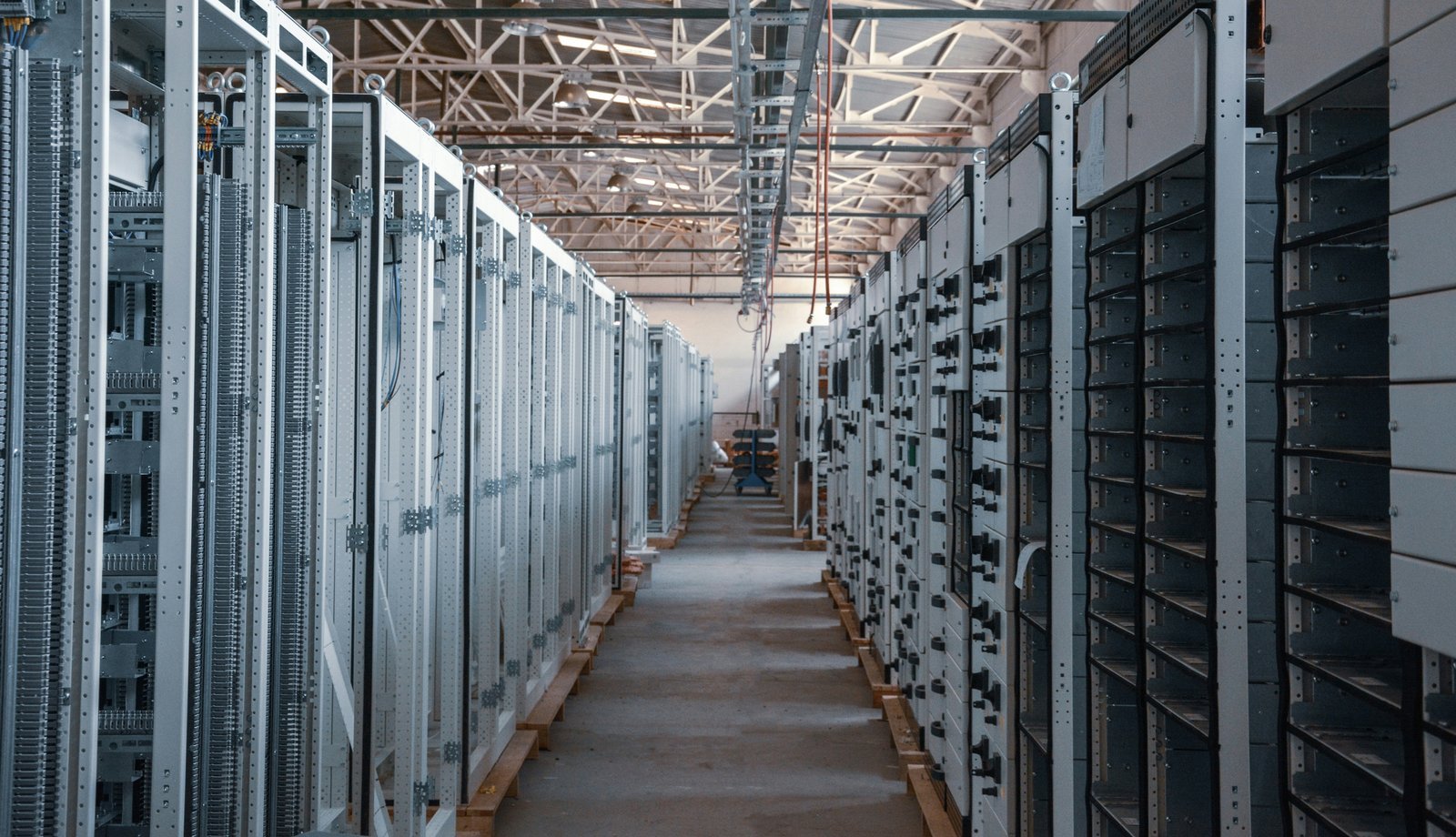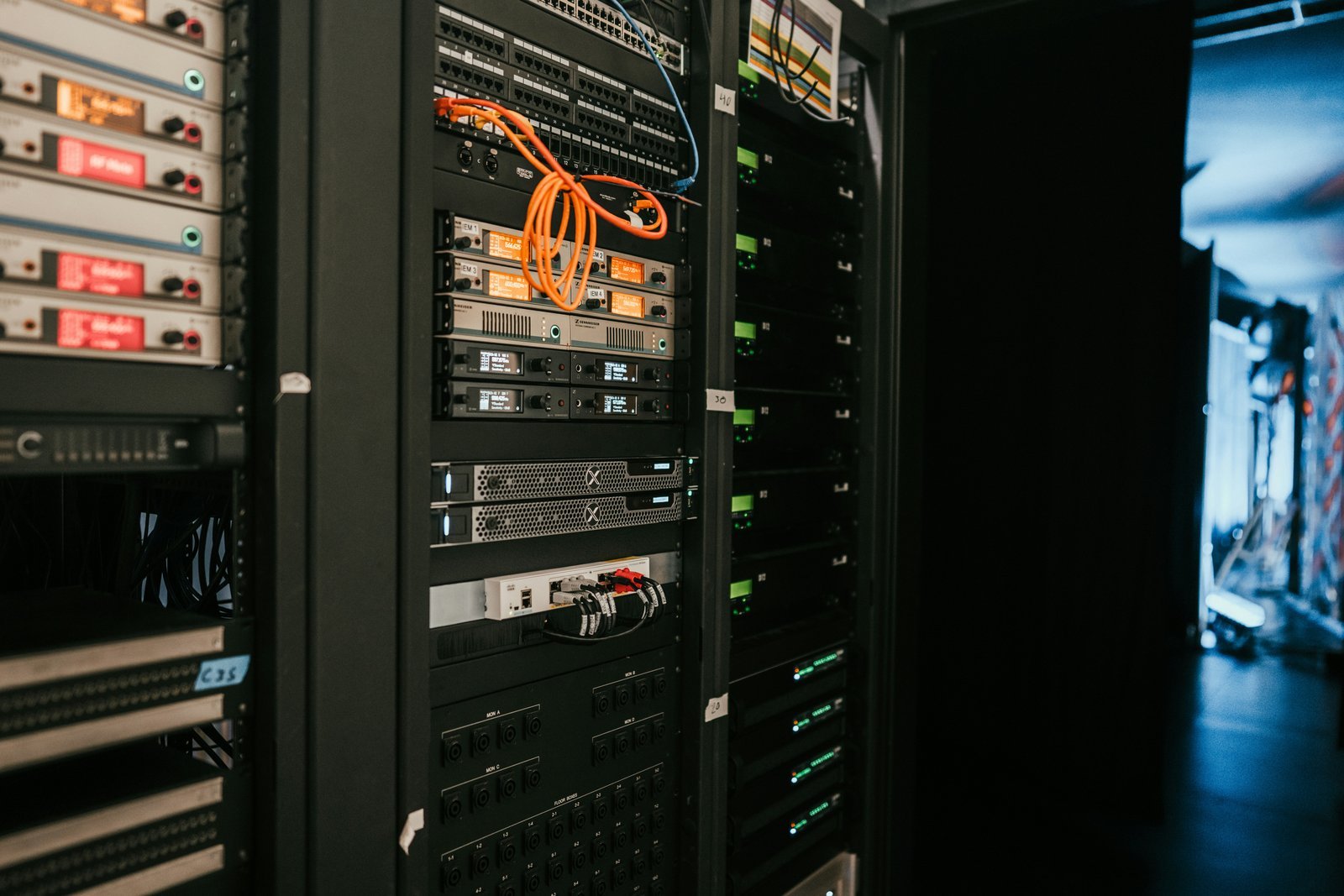
Democratic victories in the US midterm elections have placed significant data center developments at risk as candidates in key tech hubs pledged to restrict the industry. In Texas, a state expected to account for approximately 25 percent of planned US data center capacity by 2030, Democratic gubernatorial winner Gina Hinojosa has called for a moratorium on new construction until legal safeguards are established. Hinojosa has also proposed requirements for unionized labor, the elimination of non-disclosure agreements, and proof that the buildout will not increase household water and power bills.
Analysts warn the political shift could delay 10-15 GW of capacity slated for 2027. Brad Gerstner of Altimeter Capital noted that the current consensus forecast expects 43 GW to come online in 2027, a figure larger than the total cumulative compute currently online in the United States. Gerstner suggested that the "blue wave" could result in half of that expected capacity failing to materialize as scheduled.
In Ohio, voters rejected data center expansion through 15 municipal bans or restrictions, impacting planned investments from Meta and Amazon Web Services totaling $3 billion. The political backlash follows concerns from the public regarding the energy consumption, noise, pollution, and land use required by the facilities. A 2025 Pew Research Center poll found that more than half of Americans are more fearful than excited about AI, while an NBC exit poll indicated that AI and data centers were a major factor for over 50 percent of voters.
Elon Musk, who contributed $474 million to Republican causes, reacted to the election results on X by stating, "Data centers in space looking pretty appealing right now."
While former President Donald Trump has previously dismissed AI safety and data center pushback as a "hoax," the regulatory landscape appears to be shifting. In Texas, Governor Greg Abbott previously paused permits for new data centers pending an audit, a move that followed a period of attempting to establish the state as an AI epicenter.