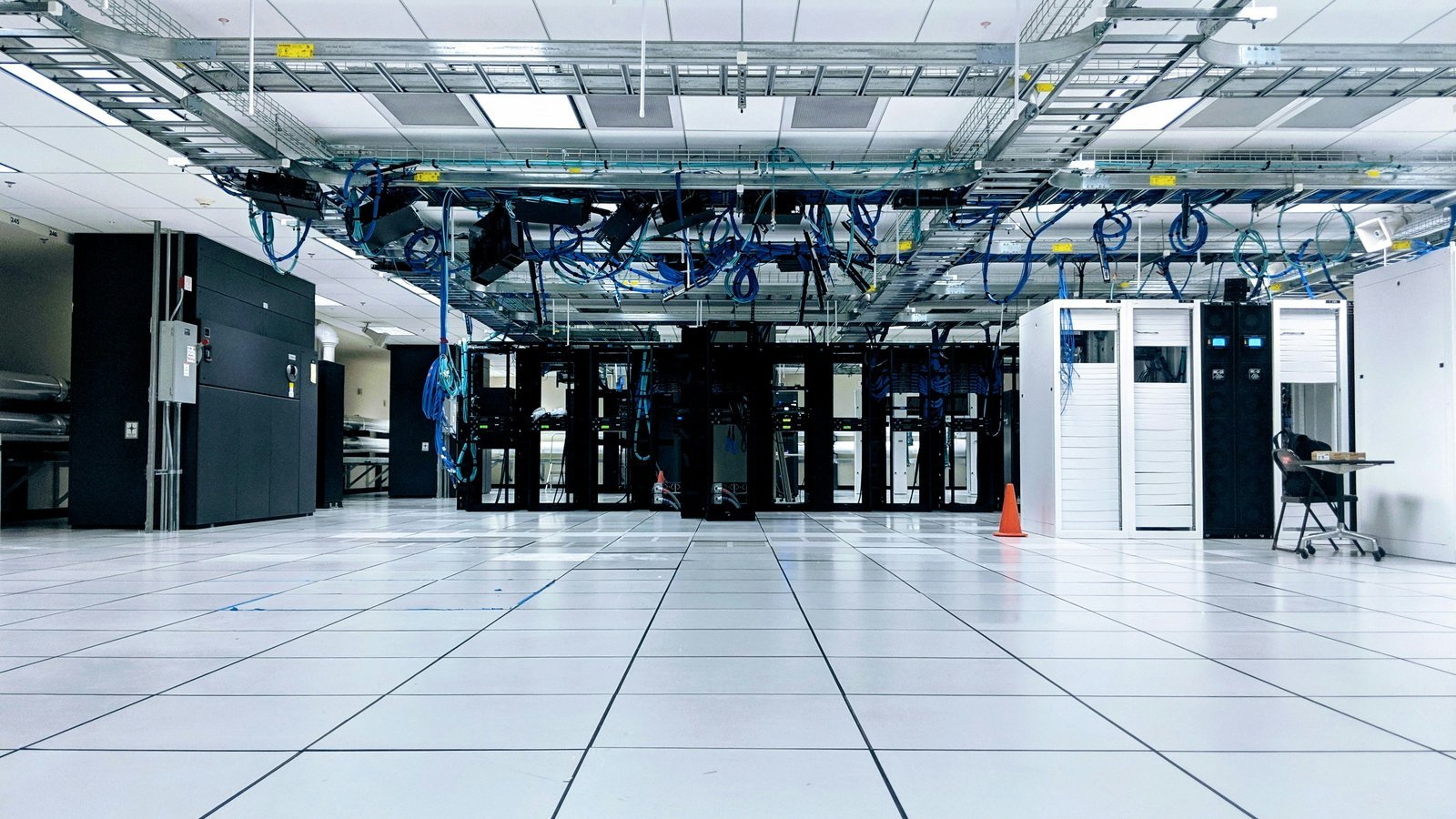
Recent US midterm elections have resulted in several ballot initiatives aimed at limiting the expansion of data centers and reining in the growth of large-scale power-consuming facilities. The results suggest a growing public opposition to the rapid physical build-out of artificial intelligence infrastructure. In Texas, senator-elect James Talarico noted that voters expressed concerns over the impact of these facilities, including one mother who reported that lights from a neighboring data center were so bright her son believed it was daytime in the middle of the night.
Market analysts suggest the election results may act as a catalyst for a broader unwinding of the AI equity boom. Joe Maher of Capital Economics noted that sentiment toward the AI trade was already appearing fragile and the US equity market was showing late-cycle signs prior to the vote. This shift follows a period of massive investment in debt-funded data centers intended to meet rising technological demand.
Economic perspectives suggest a disconnect between Silicon Valley expectations and consumer interest. Economist Dario Perkins of TS Lombard argued that tech insiders may have been living in a bubble, noting that "regular people were never going to use AI to organise their lives or ‘run workflow’." Perkins suggested that while AI may assist with web searches, the general public has not shown the level of interest assumed by the tech industry.
The political shift comes as voters face rising costs of living and inflation while observing significant wealth accumulation among technology leaders. This sentiment has also impacted political campaigning, as Elon Musk's multi-billion dollar efforts to influence the Texas electorate became a point of contention for Democrats. The recent election results may signal a move toward stricter societal bounds for the technology sector, potentially slowing the current pace of investment in AI's physical infrastructure.