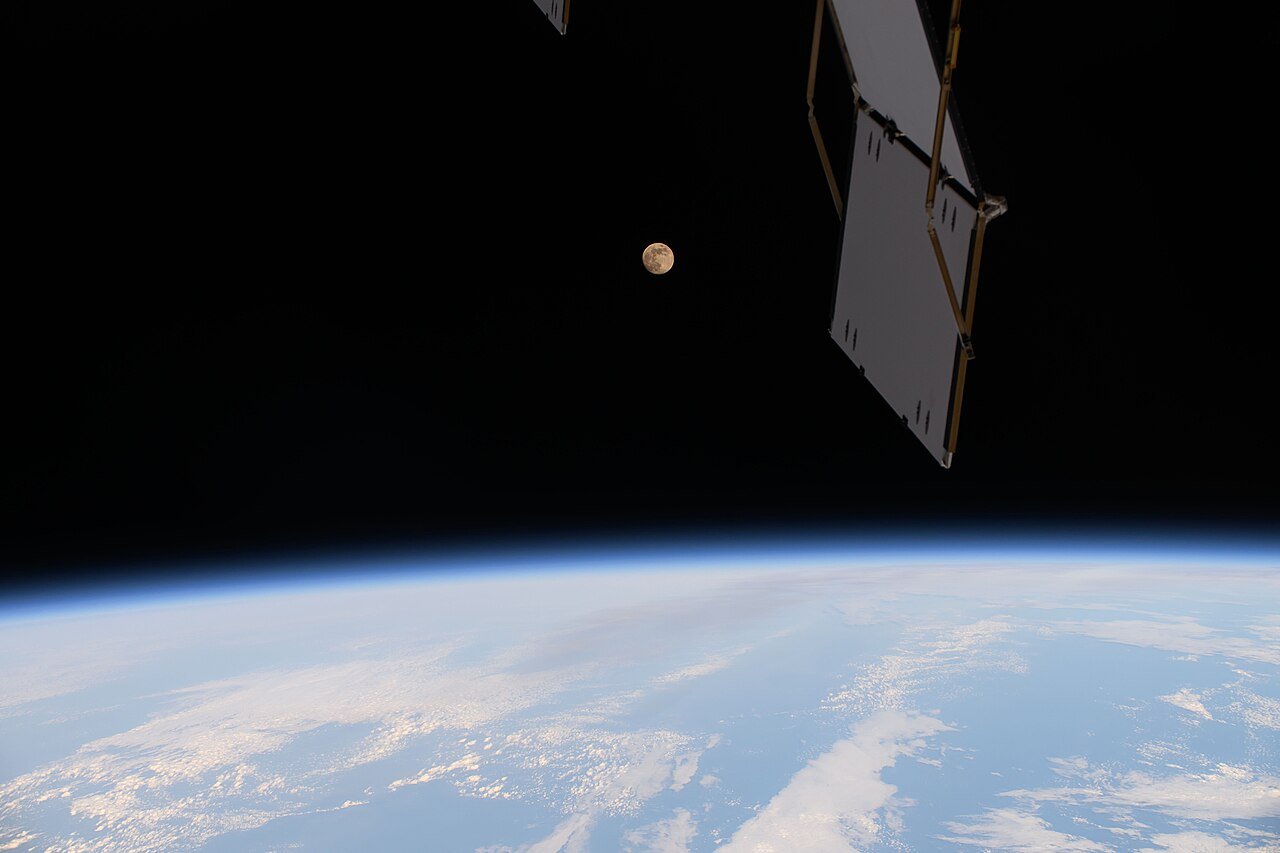
A report for the Innovation for Cool Earth Forum warns that proliferating networks of orbital data centers could make it nearly impossible for humans to stargaze. The study notes that if these satellite constellations expand, the most visible points of light in the sky could be satellites rather than stars. Beyond astronomical interference, the report identifies several environmental and security risks, including the generation of greenhouse gases and black carbon from rocket launches, an increased risk of orbital collisions, and the potential for data centers to become military targets during space conflicts.
Investment in the sector has grown significantly, with market research firm Quilty Space reporting that $197 million was tied to orbital data centers in 2025, a figure that has risen to $1.11 billion so far this year. Major industry players have filed for massive constellations, including SpaceX with an application for 1 million data center satellites, Starcloud with ambitions for 88,000, and Blue Origin's Project Sunrise with a goal of 51,600 satellites.
However, Quilty Space director of research Caleb Henry noted that companies may be overstating their intentions in regulatory filings to avoid future paperwork, stating, "We're at a point where people are tallying paper filings as if they are substantive and real," and "we just don't know that yet."
Columbia University's David Sandalow, the lead author of the report, urged policymakers and companies to proceed with caution due to the potential for unforeseen consequences. "If this is going to happen, it should happen slowly and with care," Sandalow said. "Not just launching lots and lots of these things and, kind of, seeing what happens. … There's big risks."