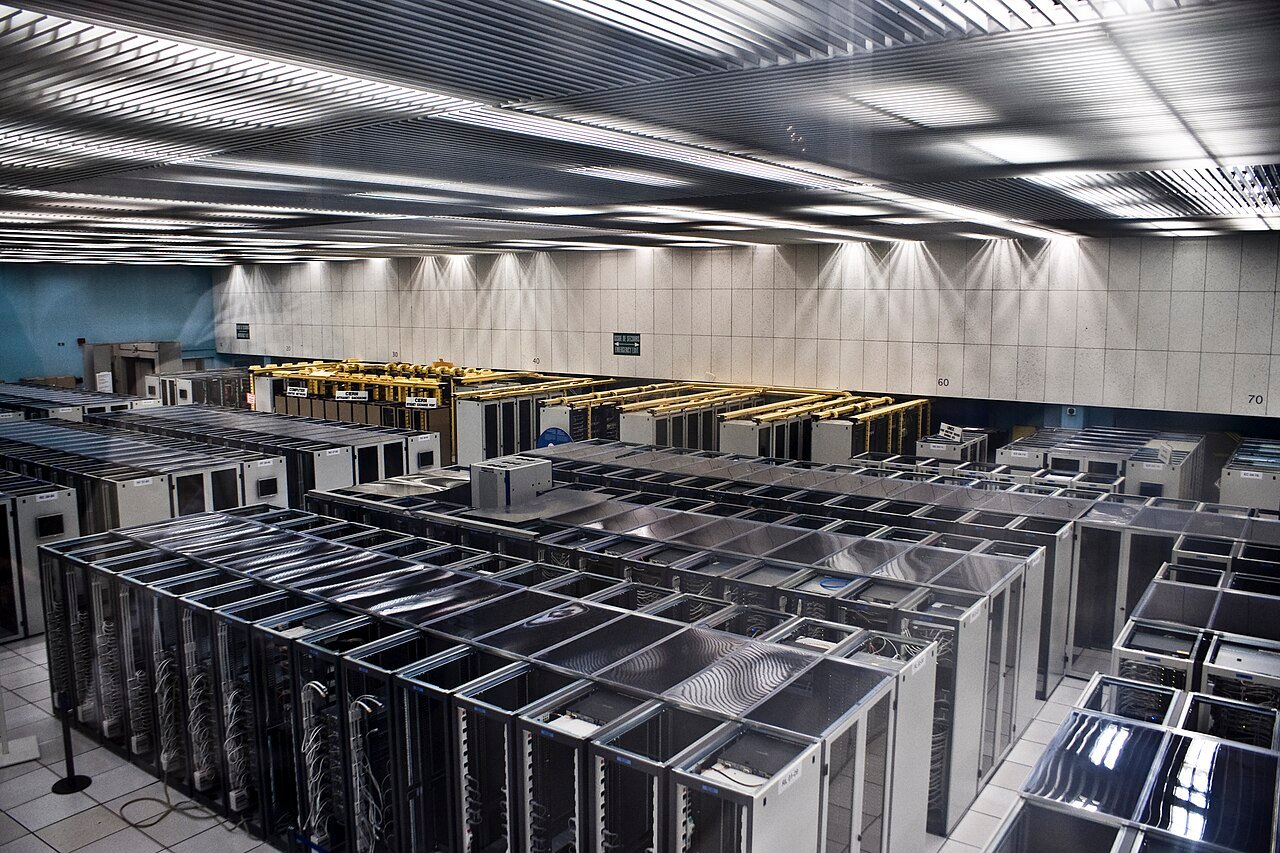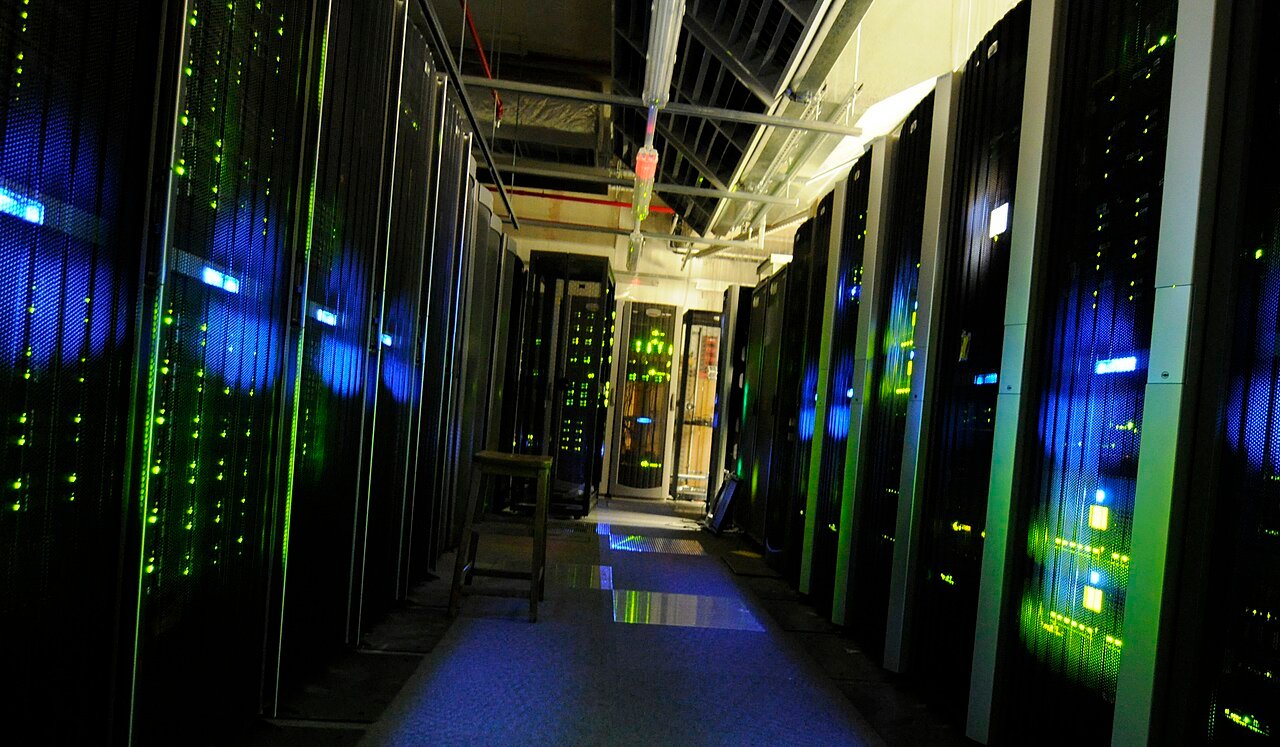
Hyperscale data centers in the United States consume approximately 82 terawatt-hours of electricity annually, representing 1.8 percent of total US electricity consumption, according to a study published in Nature Sustainability. The research, led by Gianluca Guidi of the Harvard T.H. Chan School of Public Health, utilized satellite imagery to identify 403 facilities and estimated their power usage based on electrical capacity. The collective energy demand of these facilities exceeds the annual electricity consumption of 148 nations, including Austria, Israel, and Venezuela.
The study found that these data centers produced 25.7 million metric tons of CO2 emissions between May 2024 and April 2025, a figure comparable to the annual carbon footprint of Denmark. John Sterman, director of the MIT System Dynamics group, noted that this output exceeds the total carbon emissions of approximately 113 nations. The high emissions levels are driven by the fact that roughly 54 percent of the electricity consumed by these facilities likely originated from gas and coal.
Researchers emphasized that the environmental impact of the infrastructure depends heavily on the local power grid. For example, generating electricity in coal-reliant Wyoming resulted in roughly seven times more carbon emissions per kilowatt-hour than in hydropower-rich Oregon. Guidi argued that the environmental footprint of AI is not a fixed property of the technology but is instead dependent on the supporting electricity system.
“The same computing infrastructure can have dramatically different consequences depending on the electricity system supporting it,” Guidi said.
While the study focused on hyperscale facilities, these represent only a fraction of the thousands of data centers operating in the US. The research did not account for local air pollution from new gas infrastructure built to meet demand or gas turbines installed by companies to power facilities independently of the grid. Sterman suggested that policymakers should require operators to bring new clean energy online to mitigate these irreversible impacts.