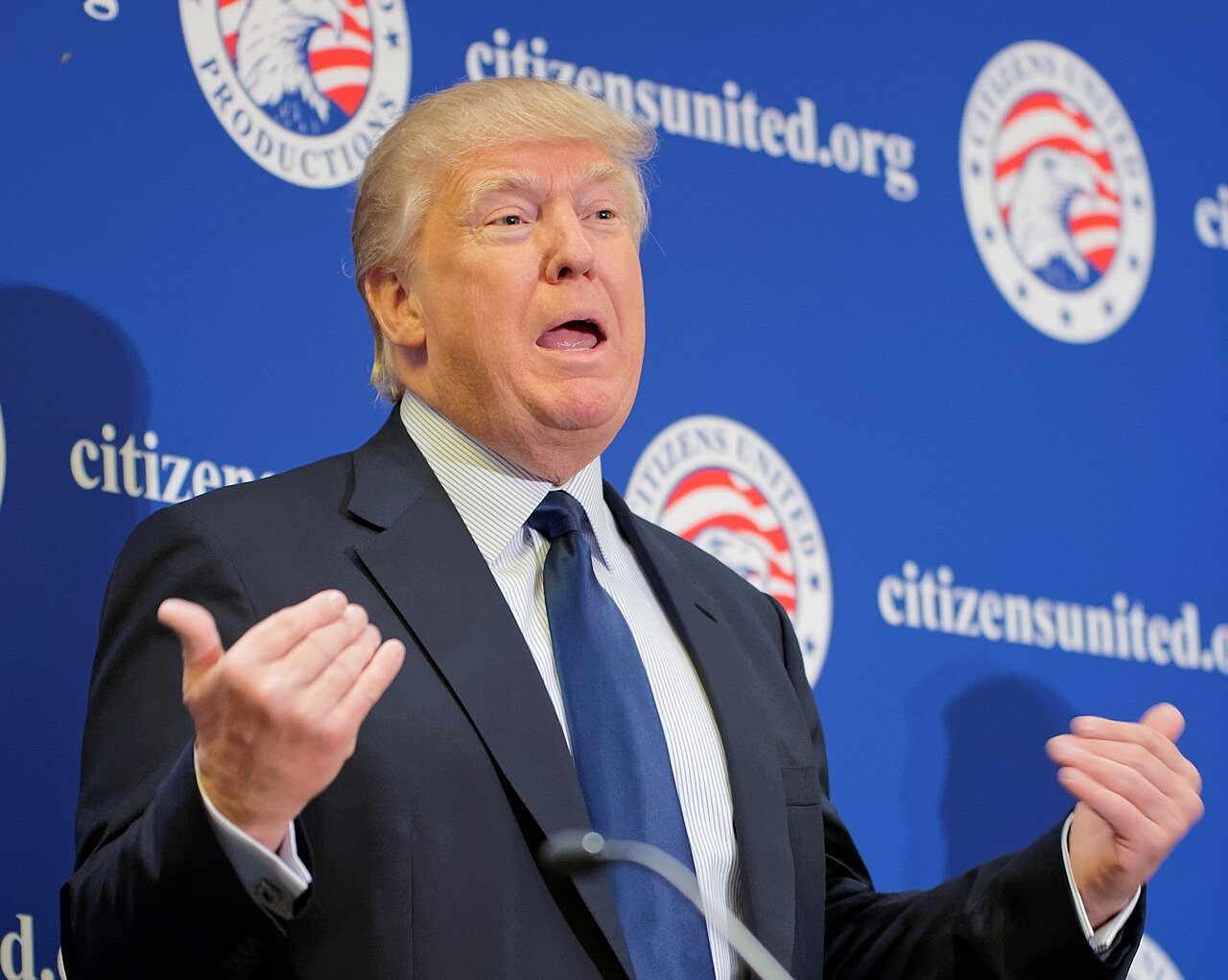
President Trump authorized a crackdown on Thursday to prevent companies from diverting Nvidia's advanced AI chips to China, marking the third such authorization this year. The decision followed a high-level meeting in the Situation Room where Treasury Secretary Scott Bessent confronted Commerce Secretary Howard Lutnick over his repeated resistance to implementing export controls. The group, which included Defense Secretary Pete Hegseth, U.S. Trade Representative Jamieson Greer, and National Security Adviser Marco Rubio, reportedly sided with Bessent during the confrontation.
During the meeting, Lutnick reportedly told officials, "I need to check with the president," before the group moved to the Oval Office to consult with tech advisor Elon Musk. While Musk supported the move to impose controls, Lutnick argued the action "will start a trade war with China." Sources noted that other officials countered that China is already engaging in similar economic warfare against the United States.
Despite Trump's directive to "get it done," sources claim Lutnick proposed further delays once the meeting concluded, stating he would develop options and return later. One official described the Commerce Secretary's behavior as stalling, noting that Lutnick had previously met privately with the president to change his stance on export limits. While the Commerce Department spokesperson Kristen Eichamer denied that Bessent confronted Lutnick, the official has not commented on other allegations.
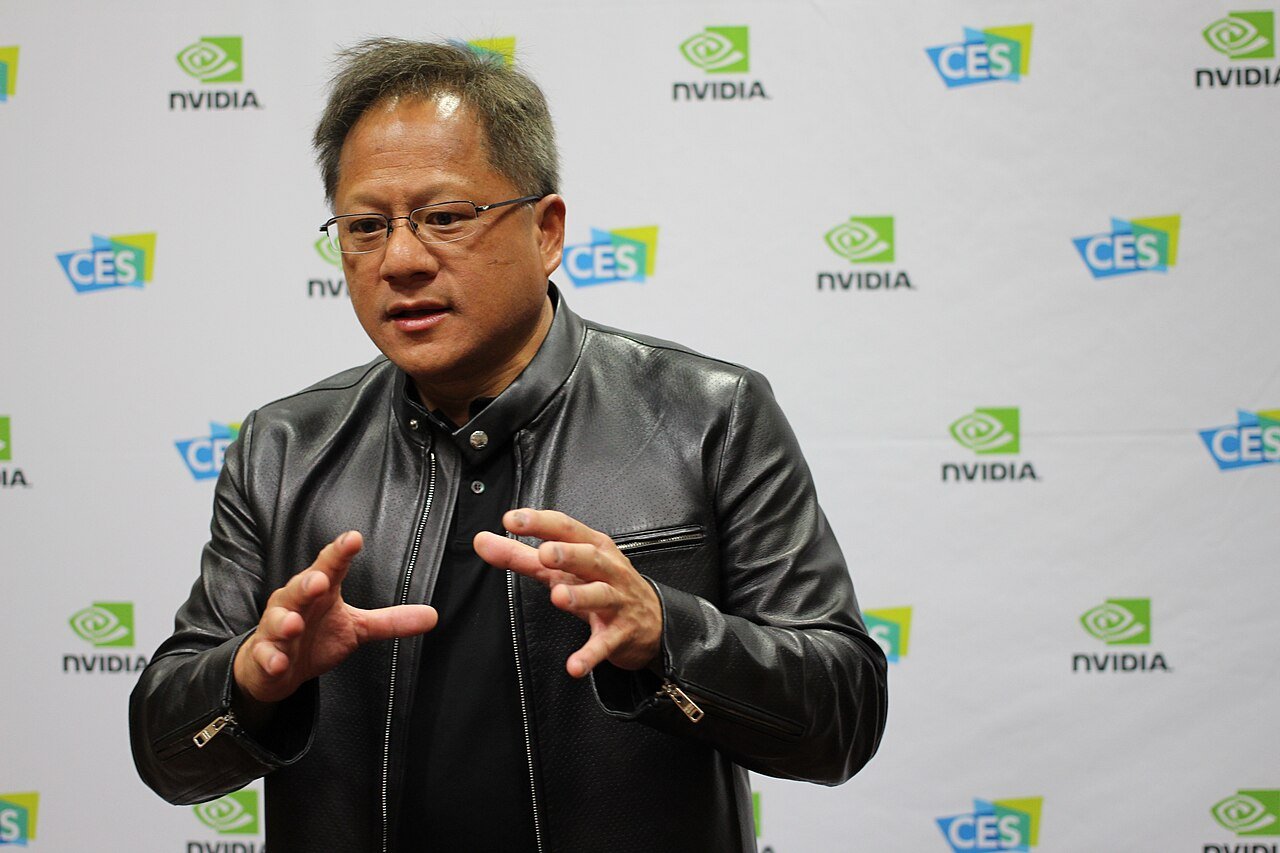
This internal friction follows previous instances in May, August, and November where the administration approved actions against chip diversions, only for Lutnick and Commerce Undersecretary Jeffrey Kessler to resist implementation. The tension is compounded by a classified memo warning of a relationship between Nvidia CEO Jensen Huang and Alice Huang, a Megaspeed employee suspected by U.S. intelligence of being a Chinese agent. Megaspeed is currently at the center of a suspected espionage scandal involving chip smuggling.
Nvidia has lobbied extensively for loosened export controls, and the administration previously agreed to allow sales of the older but powerful H200 chips to China in exchange for a 25% tariff. Jensen Huang has consistently advocated for maintaining access to the Chinese market, arguing that selling less powerful chips keeps China dependent on American technology and prevents them from developing domestic alternatives.