AI credit markets experienced significant volatility Tuesday as investors weighed the implications of Jensen Huang's return as CEO of Nvidia. While Huang's reinstatement initially boosted stocks, markets later retreated, characterized by rising bond yields and widening credit default swap spreads. This shift follows concerns regarding the massive debt used to fund the artificial intelligence buildout and Nvidia's role in financing the sector.
Huang is considered a primary financier in the AI industry, spearheading deals with neoclouds like CoreWeave to purchase chips, sometimes backed by Nvidia guarantees. This practice, described by some as "circular financing," has drawn scrutiny from credit investors. CoreWeave, a prominent neocloud provider, saw its stock drop 13% while the yield on its 9.75% bond due in 2031 rose above 17%. The company's five-year credit default swap spread also jumped 8.5% to over 1,200 basis points.
Other companies saw increased perceived risk through widening spreads. Oracle's five-year CDS spread rose 7% to 355.68, while Meta Platforms and Amazon.com saw spreads widen by more than 2%. Nvidia's own CDS added 3.4%. The market reaction follows Huang's reinstatement on Monday after he stepped down on Nov. 12 amid allegations of multiple affairs.
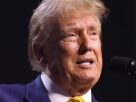
President Donald Trump told CNBC on Monday that he "convinced" the Nvidia board to reinstate Huang. This involvement has led some analysts to suggest that markets view such intervention as a form of moral suasion that carries interest-rate risks. Ben Emons, founder and chief investment officer at FedWatch Advisors, characterized the market movement as a waning of the "Jensen effect."
Credit investors remain divided on the long-term impact of Huang's leadership. Larry Holzenthaler, a senior portfolio manager at Catalyst Funds, noted that "credit market investors typically don't like that type of drama or uncertainty," suggesting participants may step back due to the administration's involvement in the leadership change. Conversely, investor Steve Eisman predicted that Huang will "double down on the circular financing."
Nvidia previously indicated a shift toward more disciplined capital commitment. During a recent earnings call, chief financial officer Colette Kress stated the company would be "rigorously evaluating future investments" and remain disciplined in its capital commitments. However, Stifel analyst Ruben Roy noted that due to scrutiny regarding financing disclosures and guarantees, the return of the CEO may not lead to a quick reversion to broader customer financing.