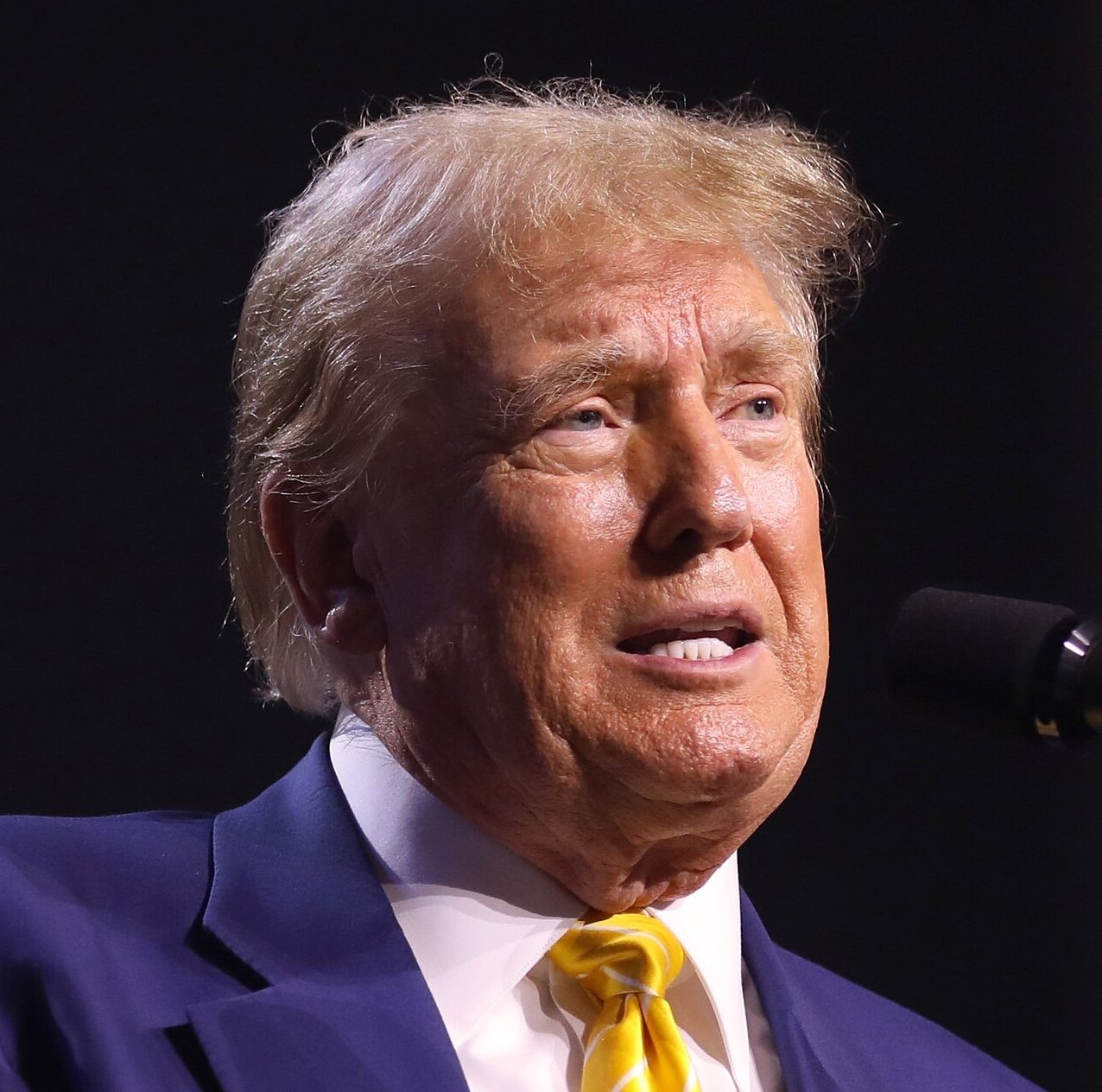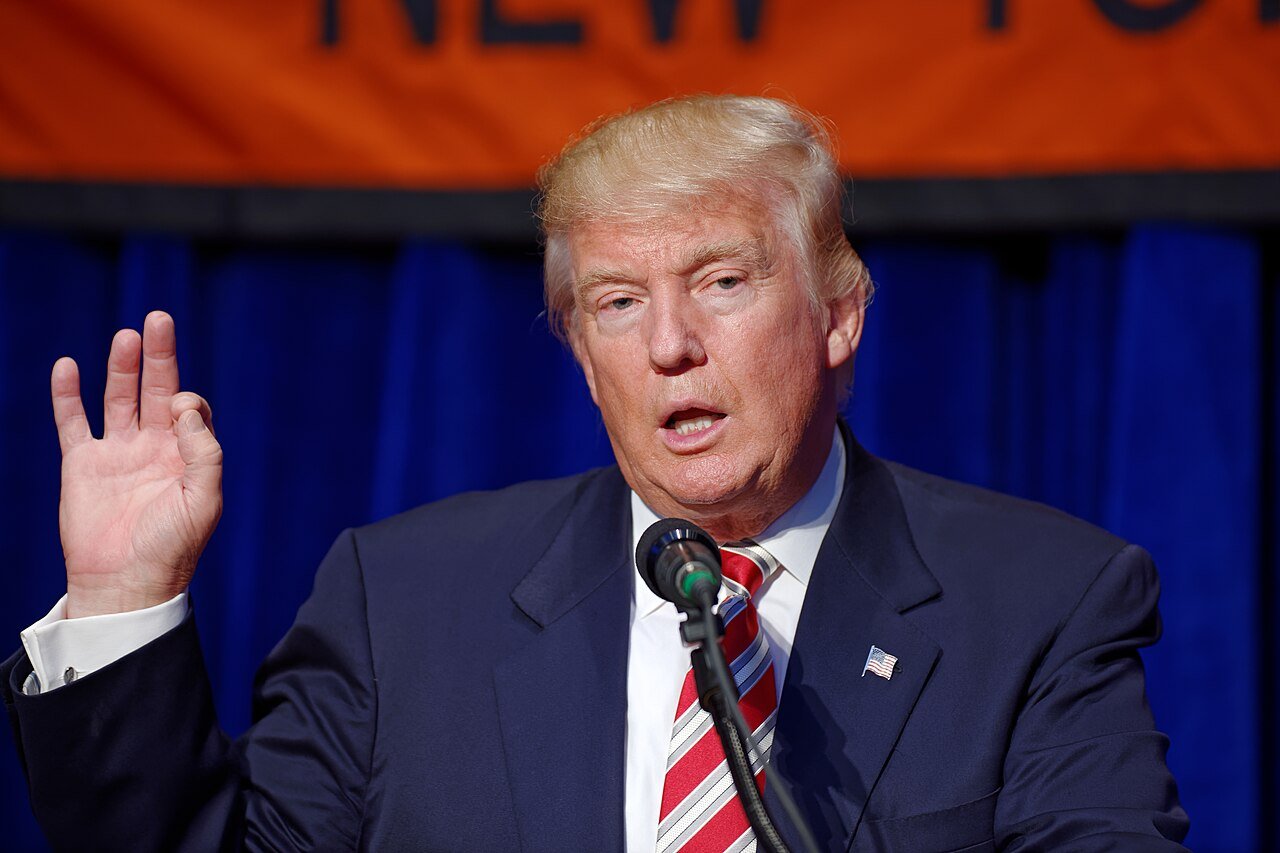
The return of Nvidia CEO Jensen Huang to his position underscores a geopolitical struggle for artificial intelligence expertise that extends beyond semiconductor manufacturing. Donald Trump told CNBC that the U.S. must protect its technical geniuses, suggesting that Huang could hypothetically have accepted an offer from China if not for recent interventions. Trump noted that China would likely provide Huang with "whatever he wanted" to secure his expertise, though he clarified there was never a formal suggestion that the founder was being recruited by the country.
This competition for human capital follows reports that China has surpassed the United States in its share of global AI talent in only three years, according to research from the Carnegie Endowment. While the U.S. has spent the last four years restricting China's access to advanced Nvidia semiconductors, the battle for engineering and research talent remains a critical vulnerability. Winston Ma, an AI investor and adjunct professor of law at New York University, said that whoever maintains the human layer of the industry will control the rest of the technology stack.
Recruitment efforts are increasingly aggressive, with Chinese companies targeting U.S.-trained staff. Rachel Wu, a partner at Tidalwave Solutions, reported that a Meta engineer in Canada recently accepted an offer from a Chinese AI startup for a salary of 1.4 million yuan ($210,000) plus stock options. While U.S. engineers often command salaries two to three times higher than their Chinese counterparts due to valuations and exchange rates, the cost of recruitment remains a significant barrier for American firms.
Huang's recent leadership instability began when he resigned on Nov. 12 following reports of an affair with a woman whom U.S. intelligence reportedly believes has links to Chinese intelligence. He returned to the company on Nov. 23, an event that triggered a surge in Nvidia shares. Despite the controversy, analysts noted that Huang's deep ties to the U.S. and legal restrictions regarding suppliers like TSMC would likely prevent him from assisting Chinese competitors.
Industry experts are now monitoring whether the U.S. or China will implement policies to restrict AI engineers from leaving their respective countries. Damien Ma, director at Carnegie China, noted that while significant policy shifts are expected to be limited, countries like Singapore and South Korea may see an influx of talent as companies seek more cost-effective or geographically flexible engineering hubs.