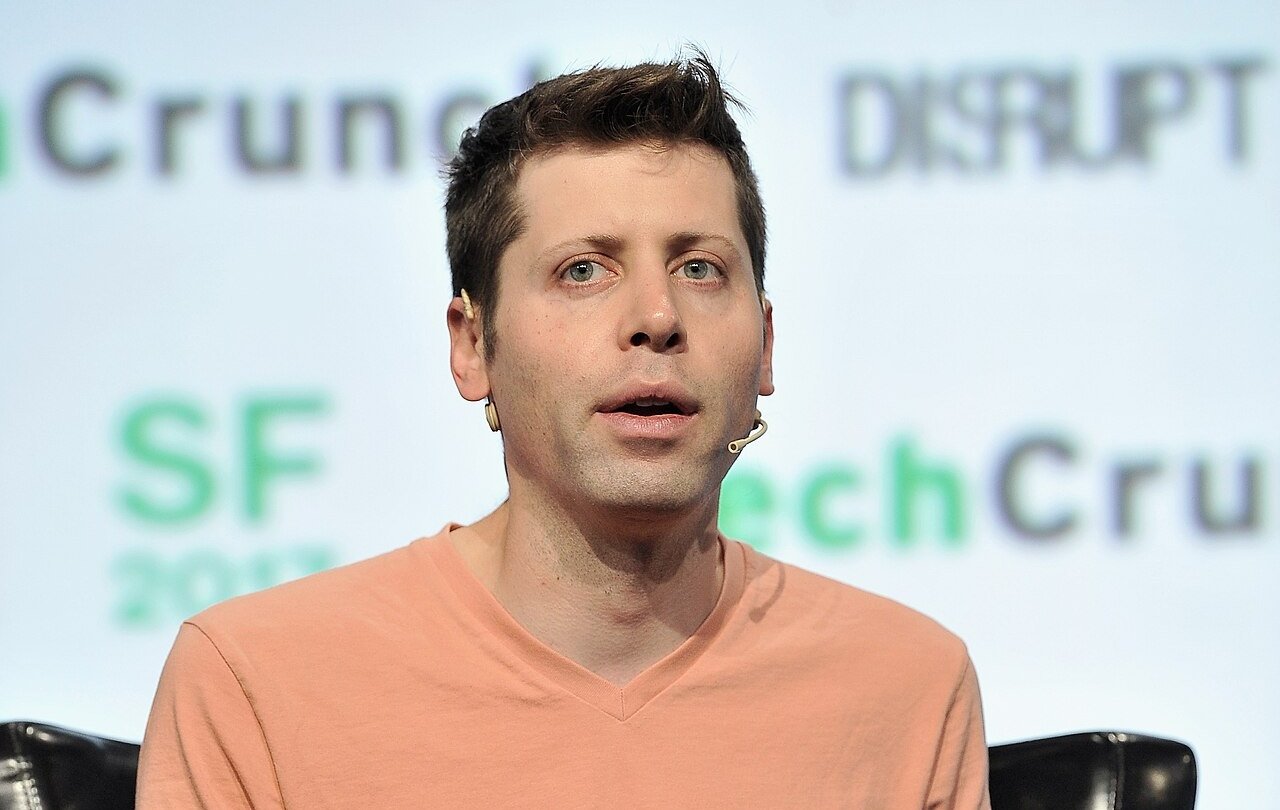
OpenAI President Greg Brockman stated at the WSJ Tech conference that artificial intelligence could lead to significant breakthroughs in biology and health, potentially making death a matter of choice. Brockman predicted that the industry will see real delivery and significant impacts on curing diseases within the next 12 to 18 months.
"I think that you’re gonna see real delivery and real significant strides and impacts on biology, health, and curing of diseases over the next 12 months, 18 months," Brockman said.
These comments align with previous assertions made by Elon Musk, who told Peter Diamandis in January 2026 that longevity or semi-immortality is an extremely solvable problem. Musk argued that because the human body is synchronized in its aging process, mortality is a matter of biological programming that can be changed.
Recent advancements in the field show AI moving beyond DNA sequence analysis to writing new genetic code using biological large language models like Evo or Evo 2. Multi-agent frameworks, including Robin and systems powered by OpenAI's GPT-Rosalind, have demonstrated the ability to independently review scientific papers, cross-examine CRISPR atlases, and identify novel drug candidates validated by physical lab results.
Modern laboratory robotics are also evolving to use integrated sensors and AI agents to adjust parameters in real-time rather than following rigid, pre-programmed paths.