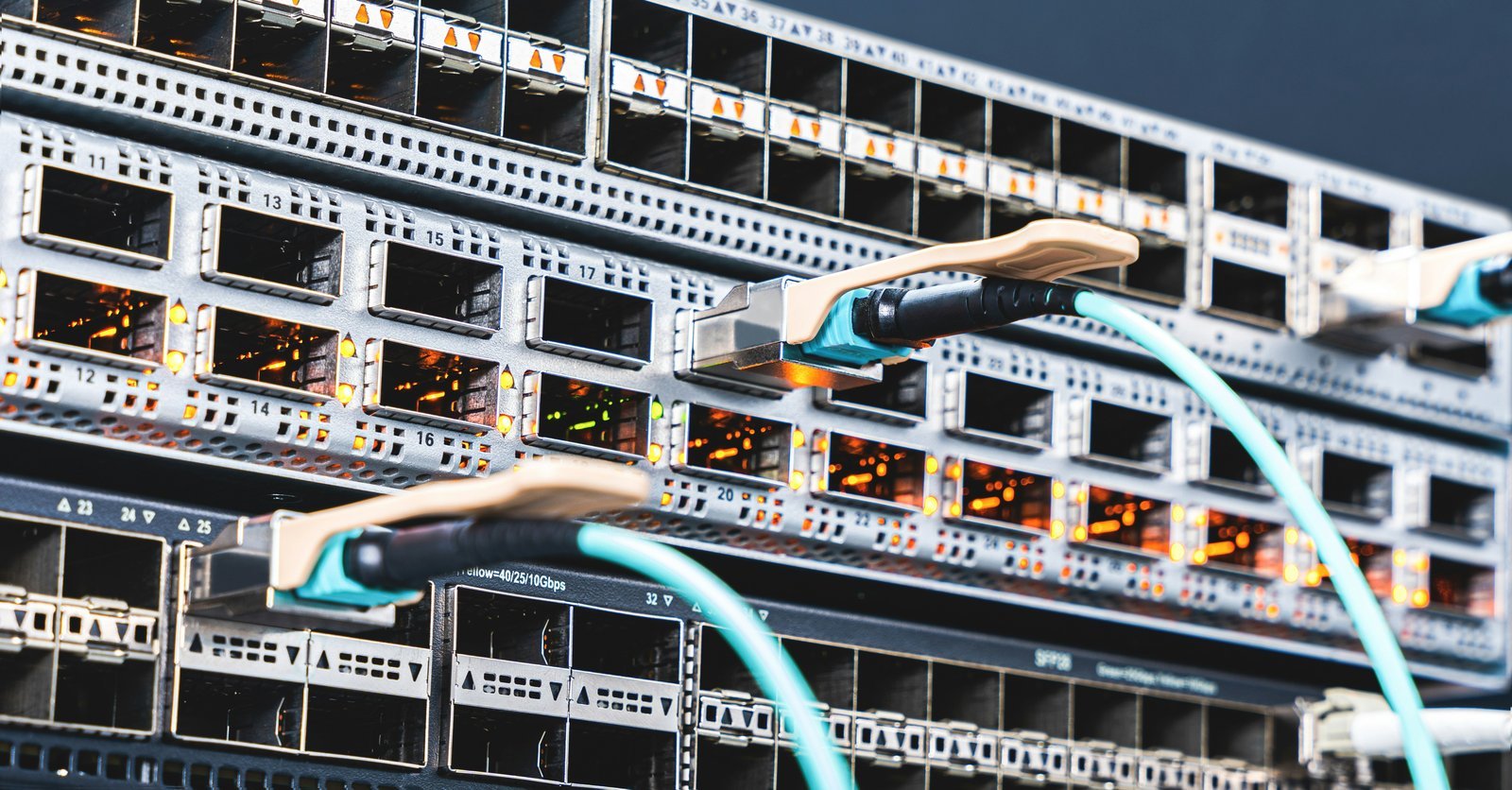
Google has introduced two new variants of its Tensor Processing Units (TPUs) designed to expand its in-house chip portfolio for specific AI workloads. The new hardware, the TPU 8tx and the TPU 8i Max, are part of the company's eighth generation of chips and aim to address infrastructure bottlenecks in cloud computing.
The TPU 8tx was designed with AMD and is based on the existing TPU 8t chip. According to a company blog post, this variant is geared toward confidential training and running AI models by building security directly into the hardware layer. This design allows sensitive data and model weights to remain protected and isolated while in active use. The chip also features a custom inferencing network that enables reasoning to run alongside training, allowing for the distillation and training of small models on the fly.
The TPU 8i Max combines two of the inference-focused TPU 8i chips launched in April into a single package. This configuration doubles the memory capacity, processing power, and bandwidth of the standard 8i, allowing AI models to handle a larger range of information during queries.
Industry analysts note that the launch comes as major hyperscalers and AI labs, including Microsoft, Amazon, OpenAI, and Anthropic, work to develop their own semiconductors to reduce reliance on Nvidia. Google's move to expand its specialized hardware portfolio is part of a broader effort to reduce dependence on third-party chipmakers for its cloud computing business.