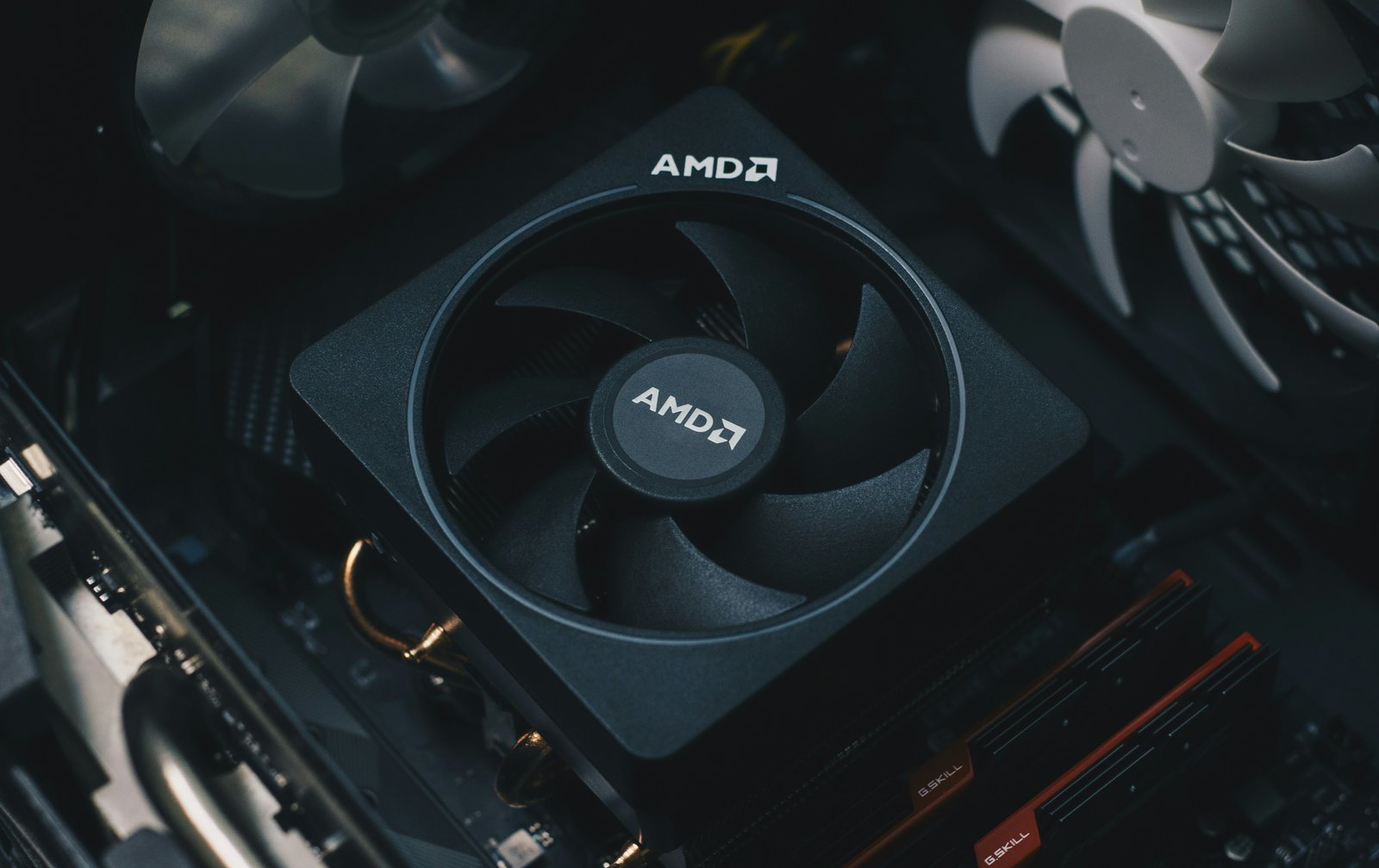
Northwestern Polytechnical University, a member of China’s "Seven Sons of National Defense" group, purchased two Nvidia H200 AI chips last month despite being on a US export blacklist, according to a Reuters investigation.
The procurement record, dated October 21, shows the university paid 874,700 yuan ($123,000) to Shaanxi Bosuan Network Technology for the chips, which were intended for the institution's management school. The H200 is a high-performance processor used for training advanced AI systems and is subject to US export license approvals that are typically denied for blacklisted entities.
Based in Xi’an, Northwestern Polytechnical conducts research into missiles, satellites, and military aircraft. The US Department of Commerce added the university to its Entity List in 2001 due to its alleged involvement in missile-proliferation activities and military research. While the US government tightened restrictions in 2019, the university has also secured access to H200 chips and other Nvidia processors through five separate contracts for rented computing capacity from Chinese companies earlier this year.
A Reuters review of 26 Chinese procurement and corporate records from this year indicates that various universities and research institutions with links to China’s defense industry continue to obtain US-restricted Nvidia technology by purchasing chips or renting server access through domestic suppliers.
The findings arrive as Nvidia CEO Jensen Huang faces scrutiny from US lawmakers regarding his lobbying for looser restrictions on AI chip sales to China. While Huang has argued that continued sales help preserve US technological leadership, some US lawmakers contend that access to these chips can accelerate Chinese developments in intelligence analysis, weapons design, and military modernization.
Senator Kevin Cramer of the Senate Banking Committee has called for Huang to step down as CEO following reports regarding his personal relationship with Alice Huang, an individual accused of working for Chinese intelligence. "The potential for extortion is so tremendous that something as sensitive as Nvidia chips, I just think he’s got to go," Cramer told Politico.