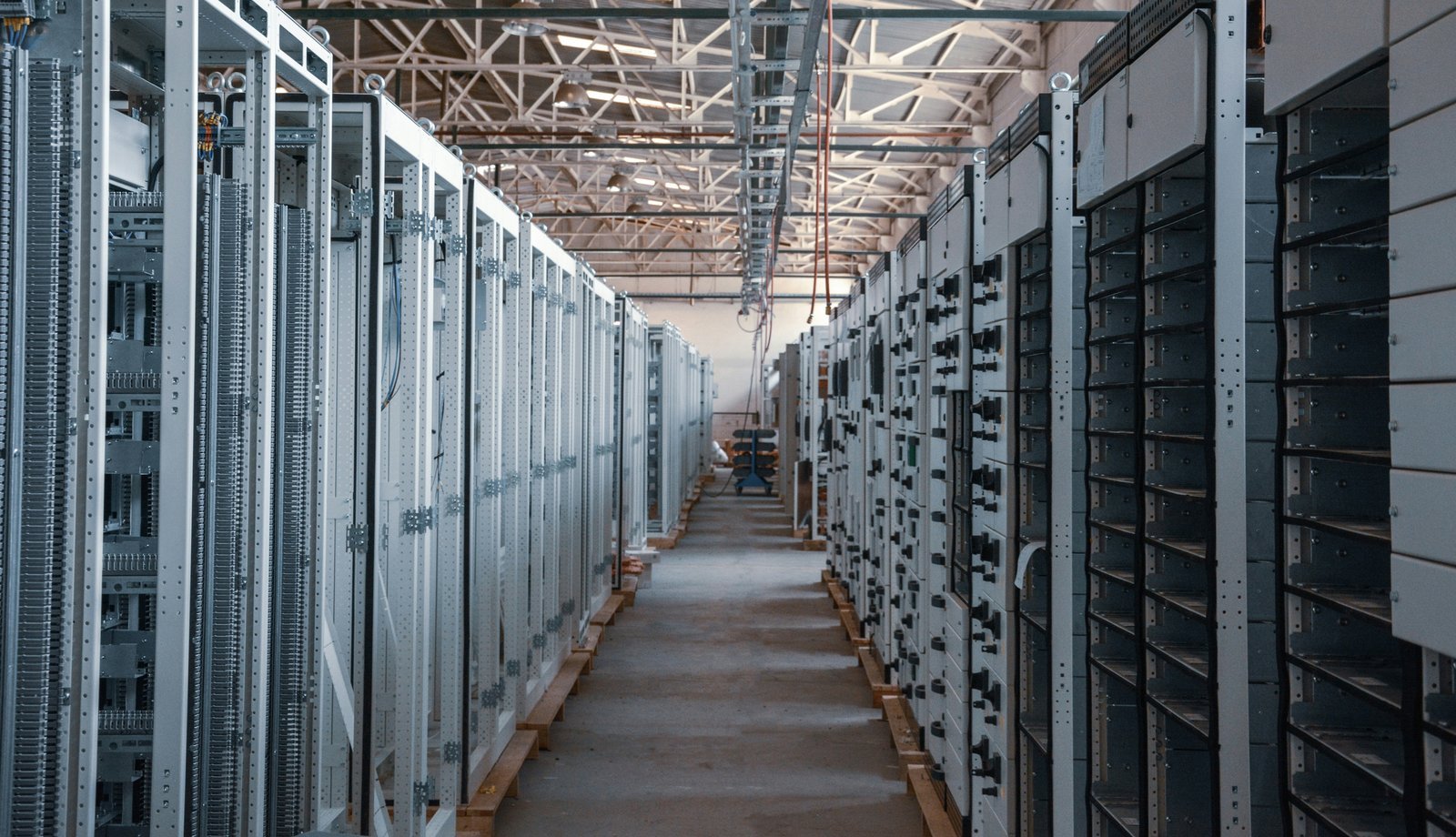
Data center power demand is increasing rapidly, with the U.S. grid transitioning from minimal growth to adding several gigawatts annually. Brook Porter, a partner at G2 Venture Partners (G2VP), told TechCrunch that demand is growing faster than the public realizes, noting that the industry is currently grappling with the physical realities of energy constraints.
To meet rising needs, many companies are currently renting or deploying natural gas power plants to secure immediate capacity. However, Porter argued that hyperscalers and developers should instead prioritize solar energy paired with long-duration energy storage to achieve greater speed and economic efficiency. He noted that while global natural gas capacity adds roughly 60 to 70 gigawatts per year, solar capacity has already exceeded one terawatt.
G2VP, which led Crusoe’s Series C, estimates that total investment in data centers will exceed $4 trillion by the end of the decade. The firm identifies two primary development paths for the industry: small, on-grid facilities with independent generating capacity, and large-scale data centers powered by solar and long-duration energy storage.
Porter suggested that the most effective strategy for developers is to go off-grid. By building with renewables independently of the traditional power grid, companies could bypass permitting constraints related to grid access or air permits and significantly accelerate their time to market.
While lithium-ion batteries have historically been the standard for energy storage, they remain too expensive to compete with fossil fuels for continuous, round-the-clock power. New long-duration energy storage technologies from companies such as Form Energy and Antora Energy are reducing the cost per megawatt-hour, though broad adoption among developers may still be several years away.