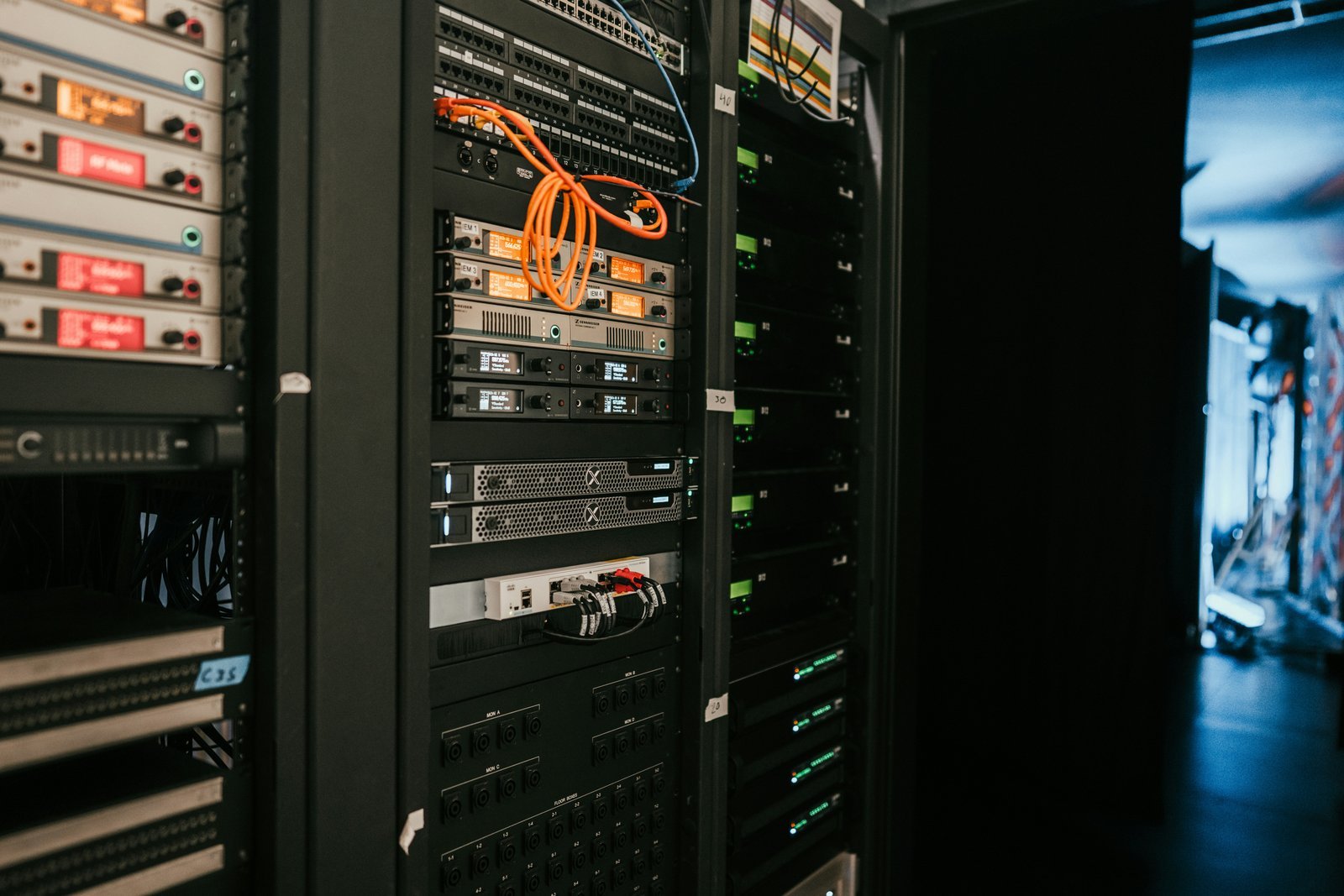
The environmental nonprofit Sierra Club estimates that planned U.S. AI data centers could add 618 million metric tons to the power sector's carbon emissions between 2025 and 2030, representing a 42% increase that would effectively reverse 15 years of greenhouse gas reductions from electricity generation. Adding this amount of CO2 would bring the sector's 2030 emissions to 2.1 billion metric tons, marking an effect estimated to be between two and four times higher than projections from a year and a half prior.
Some data centers are reportedly turning to independent power sources to bypass existing grids. These off-grid sources alone could add more than 460 million metric tons of emissions, an amount roughly equivalent to Mexico's annual emissions. Amazon's planned Texas data center, for instance, would be supplied by a 7.65-gigawatt natural gas plant permitted to emit up to 33 million tons of CO2 annually, potentially becoming the largest single source of CO2 emissions in the United States.
Projections regarding the impact remain highly variable, with the gap between the lowest and highest estimates exceeding the combined electricity demand of California and Florida. Rhodium Group, for example, found that even in its highest-emission scenario, the power sector's 2040 emissions would fall 24% below 2025 levels.
Beyond carbon emissions, data centers face controversy from local residents who have complained about electricity prices, noise, water pollution, and impacts on property values in communities near these facilities. Furthermore, the deployment of data center GPUs has slowed due to struggles to meet AI's power demands, with Amazon and other companies reportedly keeping "dark GPUs" unused until the necessary power becomes available.